BŌA Guide — Brazilian Jiu-Jitsu
The complete guide to understanding, practicing and progressing in BJJ
Born from the Brazilian spirit and the Arte Suave, Brazilian Jiu-Jitsu is the art of intelligent fighting: understanding movement, controlling without striking and progressing with method. Origins, rules, positions, belts, benefits and equipment: this pillar page gives you a clear guide to discover BJJ and choose the right gear for your level.
The discipline
BJJ: precision, strategy and control
Brazilian Jiu-Jitsu teaches you to manage distance, impose position, save energy and finish at the right moment. This logic makes the discipline accessible for beginners and demanding for competitors.
Origins, principles and differences from other martial arts.
Class structure, positions, sparring and progression.
Gi, rashguard, belt, fit and the right size.
Practical advice for beginners, advanced practitioners and competitors.
What is Brazilian Jiu-Jitsu?
Brazilian Jiu-Jitsu, often abbreviated as BJJ, is a grappling martial art focused on ground fighting. It uses takedowns, positional control, chokes and joint locks to force the opponent to submit.
Developed from the evolution of Japanese jiu-jitsu and judo in Brazil, BJJ is often associated with the expression Arte Suave: the art of using technique, positioning and timing rather than brute strength. This is what makes it accessible to every body type, from beginner to competitor.
Its logic is based on technical efficiency: a lighter practitioner can control a stronger opponent through angles, positioning, body weight and leverage.
How is BJJ practiced?
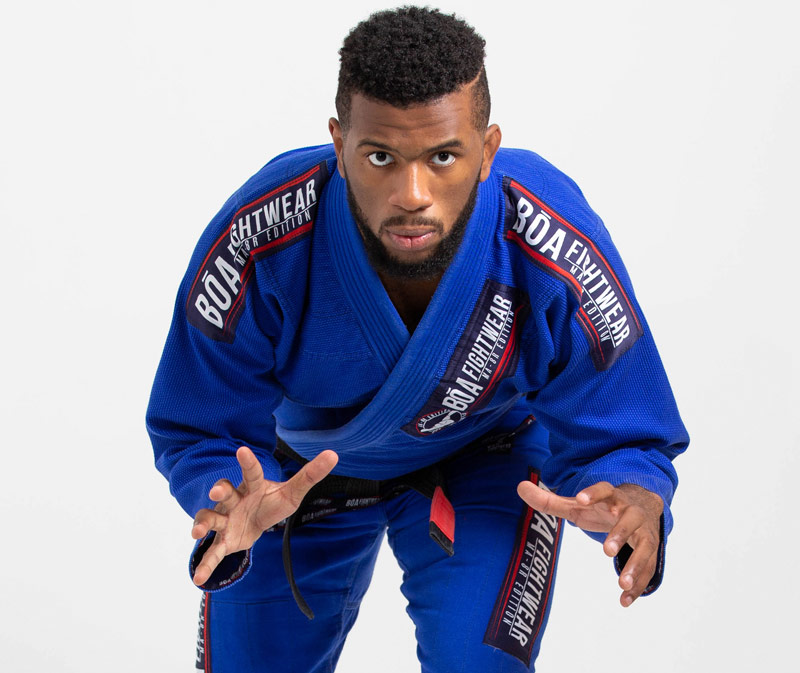
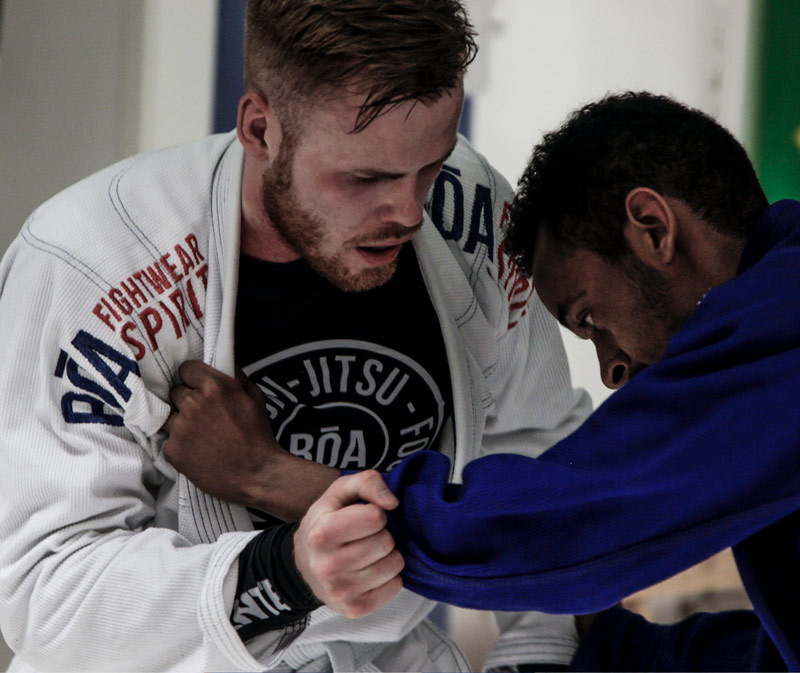
BJJ is mainly practiced in a kimono, also called a gi. The fabric allows grips on the jacket, pants and collar, opening up a wide range of control and submission techniques.
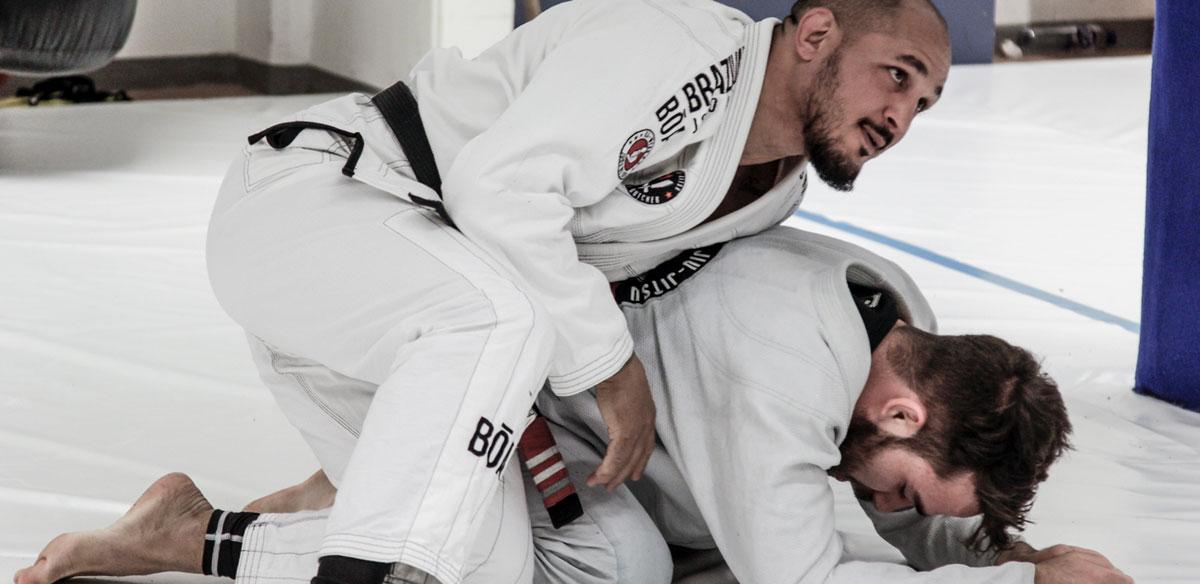
Training alternates between technique, repetitions, specific situations and free sparring. In competition, practitioners aim to score points through dominant positions or finish by submission.
BJJ with a gi or NoGi?
BJJ with a gi focuses on grips and textile control. NoGi, without the kimono, is faster and relies more on rashguards, shorts and spats.
Benefits of BJJ
Why practice Brazilian Jiu-Jitsu?
BJJ develops physical conditioning, clarity under pressure and confidence. It is a complete discipline, both mental and technical.
Confidence
Learn to stay calm, breathe and defend under pressure.
Physical conditioning
Mobility, core strength, endurance, explosiveness and coordination.
Strategy
Understand transitions, anticipate and build consistent progress.
What are the rules of BJJ?
In competition, rules vary depending on the organization, age, level and belt. The general principle remains the same: secure dominant positions, control the opponent and look for the submission.
Points mainly reward guard passing, mount, back control and sweeps. A submission ends the match before the official time limit.
What are the main BJJ techniques?
A practitioner progresses by learning the fundamental positions: guard, half guard, passing, side control, mount and back control. Each position opens specific transitions and attacks.
Guard, passing, mount, back control and side control.
Chokes, armlocks, shoulder locks and joint controls.
BJJ equipment
What equipment should you choose for Brazilian Jiu-Jitsu?
Good equipment supports progression: a solid gi, the right belt, a rashguard for NoGi and a comfortable fit that lets you move freely. Your choice of BJJ gi directly affects your feeling on the mats: comfort during rounds, durability against pulling and freedom of movement for grips, guards and passes.
BJJ gi
Essential for grips, control and gi competition. It must stay comfortable, durable and stable after washing to support your progression.
Belt
A symbol of rank, it follows your technical progression.
NoGi
Rashguard, shorts and spats for faster practice without a gi.
The gi: the central piece of BJJ
The gi must resist grips, stay comfortable during rounds and keep its fit after washing. To progress, it must support movement without becoming a restriction: a reliable BJJ gi lets you focus on technique, combinations and energy management.
- A firm enough collar to limit easy grips
- Jacket and pants resistant to repeated pulling
- Stable fit for training and competition
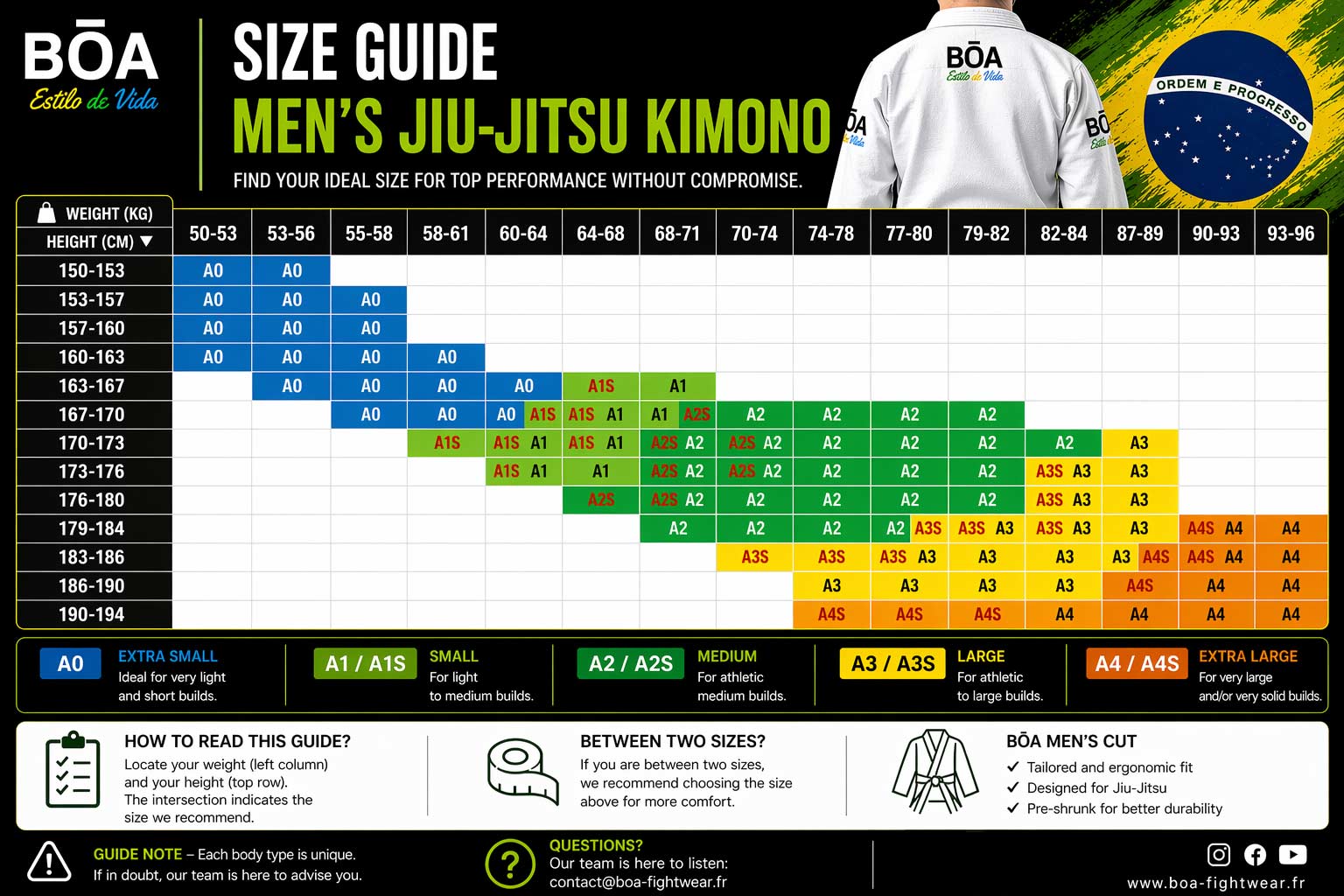
How to choose the size of your BJJ gi?
Size depends on body type, weight, height and preferred fit. A gi that is too loose gives easy grips; if it is too tight, it restricts movement.
Check the BOA size guide before buying and take into account possible shrinkage after the first washes.
View the size guide
Practitioner checkpoints
What really matters on the mats
The gi goes through pulling, friction and repeated washes.
The cut must allow guard work, passing and transitions.
Reliable equipment lets you focus on technique.
BJJ FAQ
Frequently asked questions about Brazilian Jiu-Jitsu
Is BJJ suitable for beginners?
Yes. The basics are learned progressively: positions, movement, defenses and controls.
Which gi should you choose to start?
A strong, comfortable gi suited to your body type is enough to begin properly.
What is the difference between BJJ and NoGi?
Gi BJJ uses fabric grips; NoGi is practiced without a gi, using a rashguard and shorts.
How long does it take to progress?
Progress depends on consistency. Two to three training sessions per week already produce visible results.
Does BJJ help with self-defense?
It develops control, distance management and the ability to neutralize without striking.
How should you care for your gi?
Wash it quickly after training, at a low temperature, and avoid intensive tumble drying.
BŌA identity
Why choose BŌA?
BŌA draws inspiration from the Brazilian energy of Brazilian Jiu-Jitsu: a strong visual identity, a culture of movement and a balance between performance and lifestyle. Every piece of equipment is designed to support BJJ practice, from daily training to the demands of competition.
Ready to progress?
Gear up to train with confidence.
Choose a BJJ gi designed for training, progression and the demands of ground fighting.